How Often You Will Empty the Drawer With Two or Three Cats

Short answer

Divide the drawer's volume in litres by 0.7 for each cat. A 10-litre drawer lasts about two weeks with one cat and one week with two. 6 of the 20 makers that publish both a volume and a one-cat claim say their drawer lasts more than a quarter longer than that.

Where 0.7 litres a day comes from

A drawer fills with clumps, not with waste. A day's urine clumps and stool take up far more room than their own volume, and clumps stack with air between them. So the useful planning figure is the space a cat's output takes in a drawer, and the best evidence for it is what makers say when they are being careful.

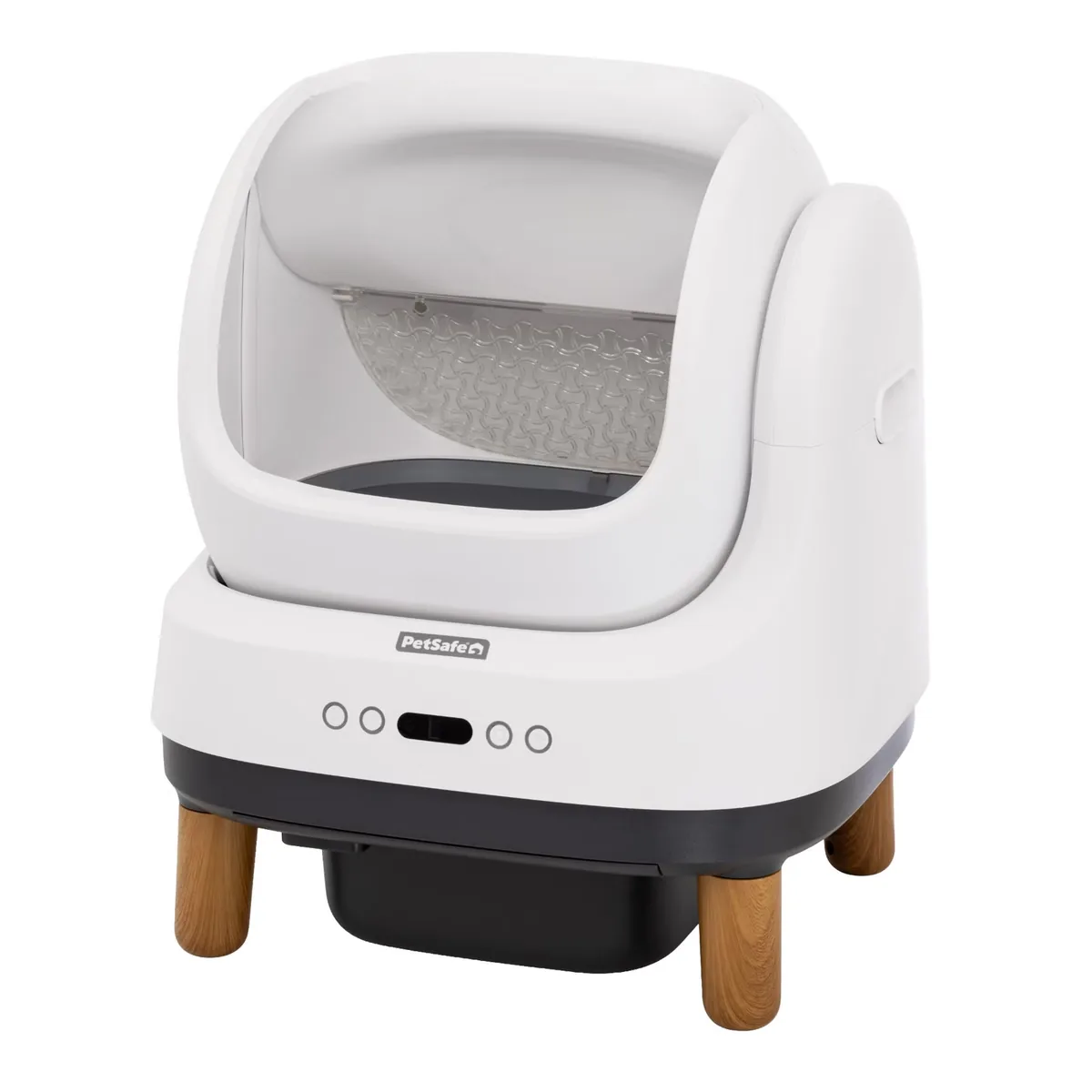
PetSafe's SmartSpin user guide expects its 6-litre drawer to need emptying about once a week for one cat, which is 0.86 litres a day. Its OpenSky guide expects 8.5 litres to last two weeks, 0.61 a day. CATLINK rates the 7-litre Scooper SE at seven days, 1.0 a day. 0.7 litres sits in the middle of those, and it is the figure used on every page here.

It is a planning number, not a measurement. A small cat on wet food will fill a drawer more slowly, a large cat on dry food faster. The point is to compare every box on the same assumption.
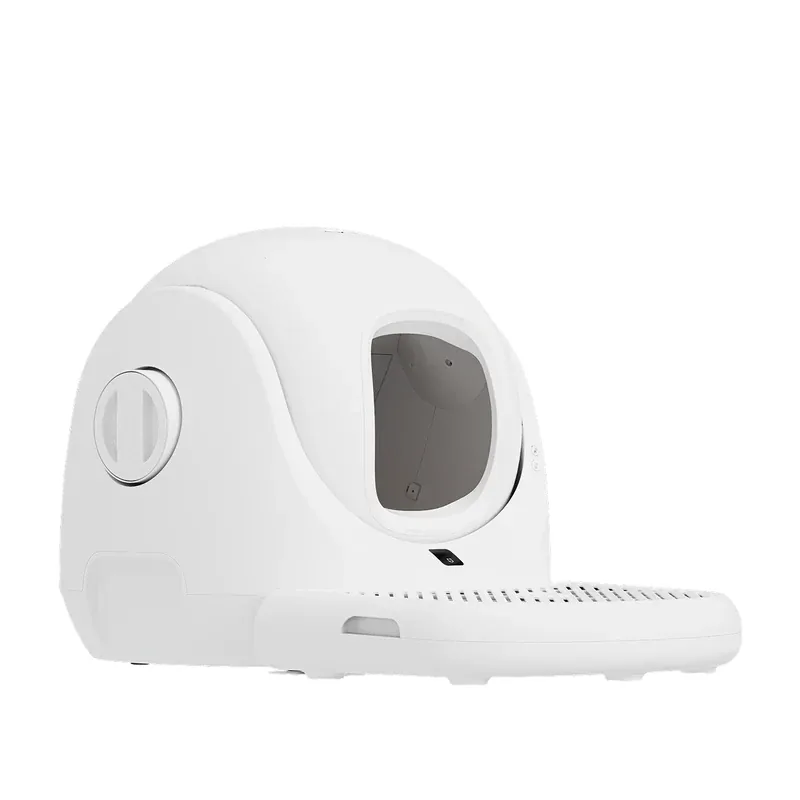
Every published drawer, worked out

Days for one, two and three cats come from the drawer volume alone; the last column is the maker's own one-cat claim, marked where it is more than a quarter beyond the arithmetic.

BoxDrawerDays: 1 / 2 / 3 catsMaker's one-cat claim
CATLINK Scooper Luxury Pro-X13 L18 / 9 / 615
CATLINK Scooper Pro Ultra13 L18 / 9 / 614
CATLINK Scooper Young Pro-X13 L18 / 9 / 614
CATLINK Scoop Robot Pro12 L17 / 8 / 514
CATLINK Scooper Open-X12 L17 / 8 / 515
ELS PET Orbitie12 L17 / 8 / 520
Meowant MW-SC1011.9 L17 / 8 / 515
Neakasa M1 Lite Plus11.23 L16 / 8 / 514
Neakasa M1 Plus11.23 L16 / 8 / 514
Oneisall Ease S111 L15 / 7 / 514
PETLIBRO Luma Smart Litter Box11 L15 / 7 / 5no claim
Popur S7 Split Litter System11 L15 / 7 / 535 (generous)
PETKIT Purobot Ultra10 L14 / 7 / 420 (generous)
PetSnowy SNOW+10 L14 / 7 / 414
PetSafe ScoopFree OpenSky8.5 L12 / 6 / 414
PETKIT Purobot Max Pro 28 L11 / 5 / 317 (generous)
CATLINK Scooper SE7 L10 / 5 / 37
CATLINK Scooper SE Lite7 L10 / 5 / 37
PETKIT Purobot Max 37 L10 / 5 / 315 (generous)
Meowant MW-SC09 Plus6.7 L9 / 4 / 314 (generous)
Meowant MW-SC016 L8 / 4 / 2no claim
PetSafe ScoopFree SmartSpin6 L8 / 4 / 214 (generous)

One box or two?

The usual guidance for ordinary boxes is one per cat plus one. Automatic boxes change the reason behind it, since the litter is clean for the next cat within minutes, but not the territorial part: some cats will not share, and a single box is a single point of failure when it jams or needs a deep clean.

Makers' cat ratings are the maximum the mechanism tolerates, not a recommendation. With three or more cats the drawer becomes the limit well before the mechanism does, and a second box halves the emptying as well as giving a nervous cat an alternative.

Boxes this comes up with

Related

  • Odour Control and Cleaning Schedules for Automatic Litter Boxes

    Less than with a normal box, but not nothing. Empty the drawer, top up litter as the level drops, change carbon filters or deodorisers every few weeks, and take the box apart for a full clean every one to three months. The makers' own intervals are below.

  • How Self-Cleaning Litter Boxes Actually Work

    Every automatic box waits until a sensor says the cat has left, then separates clumped waste from clean litter and puts it somewhere sealed. Drums turn the whole chamber over a screen; open-tops do it under an open rim; rakes comb a flat bed; crystal-tray boxes rake a disposable tray; flushing boxes wash waste down a drain. The mechanism decides which litter you can use and whether you buy a consumable every month.

  • How to read a litter box spec sheet

    Every specification explained, with the real numbers from the catalog behind each one.